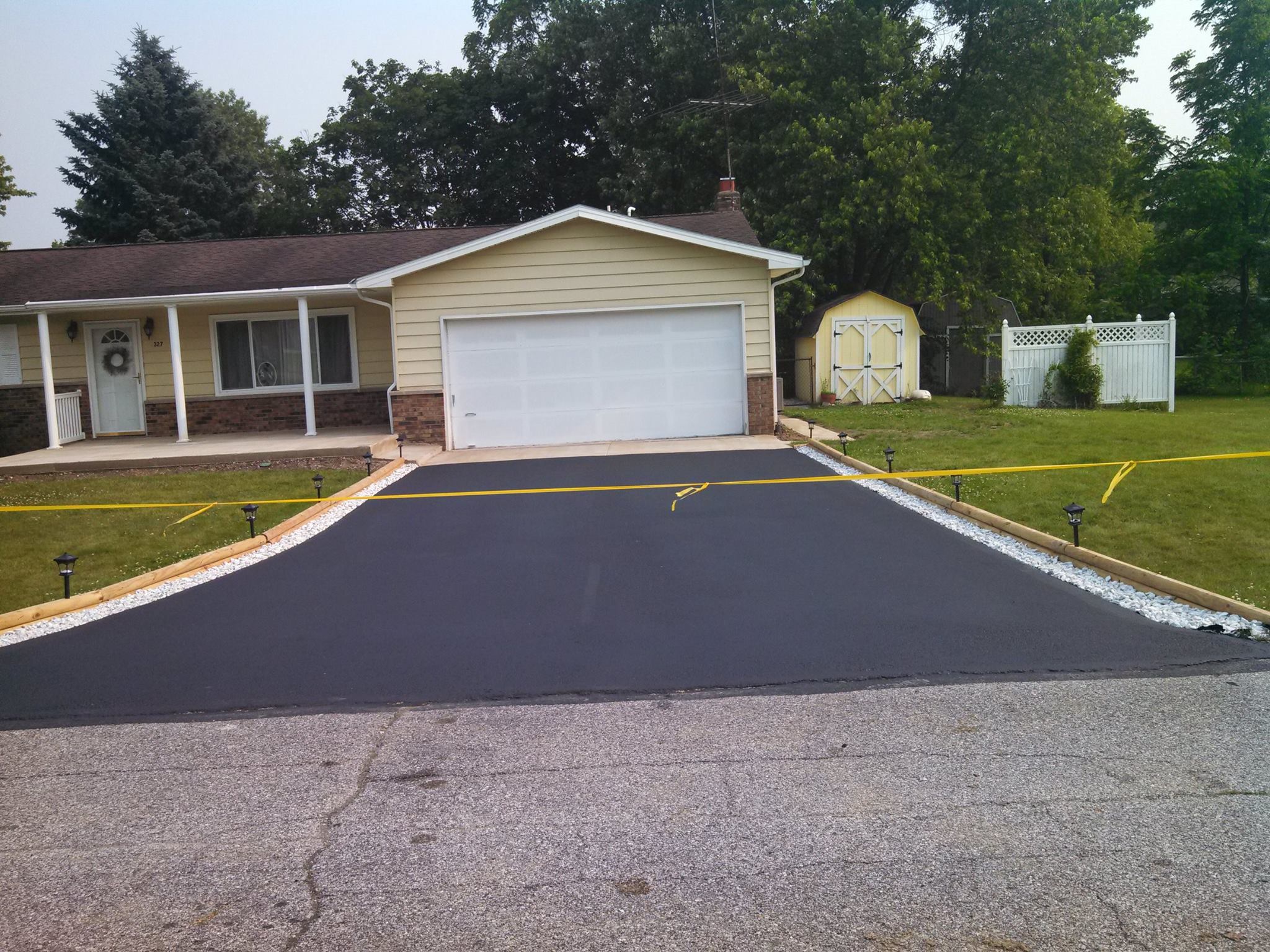
A Comprehensive Guide to Asphalt Paving: From Preparation to Finishing Oct 10, 2026
To ensure a durable and smooth surface, the process starts with meticulous preparation. The preparation phase is crucial for the overall success of the paving project. Initially, the area must be thoroughly cleaned and any existing surface materials, such as old asphalt or debris, must be removed. Once the old material is cleared, the area must be leveled and graded to ensure proper drainage and avoid future water retention which can structurally damage the asphalt.
The next step is constructing a strong foundation, often the most critical part of the paving process. This involves laying a suitable base layer of crushed stone or aggregate. The base is crucial for supporting the asphalt surface. Proper compaction of this base layer is important as it provides stability and prevents potholes or cracks in the future. Precision here minimizes uneven surfaces, reducing the likelihood of repairs down the line.
With the foundation securely in place, the actual asphalt paving can begin. The asphalt mix, heated to the appropriate temperature, is carefully applied over the prepared base using a paving machine. Ensuring the asphalt is applied evenly is crucial for creating a uniformly smooth surface. Professional contractors, like Smith's Paving and Sealcoating, employ experienced teams using state-of-the-art machinery to achieve optimal uniformity and compaction during this stage.
During the paving process, seams between the new asphalt and other surfaces, such as curbs or existing pavement, should be sealed correctly. This prevents water and debris from entering and causing damage. Proper alignment and edging are vital to improving both the functionality and aesthetics of the finished surface.
Once the asphalt is applied, it's time for the finishing touches. This phase involves compacting the asphalt using a heavy roller to ensure a firm and sturdy surface. At this stage, precision is important to avoid any surface irregularities and to ensure maximum contact binding with the base layer.
The process culminates with sealing the freshly laid asphalt. Sealing the asphalt surface is an essential step that protects it from various environmental factors such as moisture, chemicals, and ultraviolet rays. Sealing also enhances the overall appearance, giving the asphalt a rich, dark finish.
In conclusion, asphalt paving, when executed properly, offers a durable, attractive, and cost-effective solution for driveways and parking lots. By partnering with experienced professionals like Smith's Paving and Sealcoating, you can ensure each stage of the process is handled with precision, from preparing the base to applying the perfect finishing touch. Understanding each phase of asphalt paving helps clients make informed decisions, guaranteeing a pavement that performs efficiently and aesthetically for years to come. Whether you're paving a new surface or maintaining an existing one, careful planning and expert execution are key to achieving the best possible results.
