Comparing Asphalt and Concrete: Choosing the Best Paving Material for Your Project Aug 23, 2026
To begin, let's consider cost. Typically, asphalt has a lower initial cost than concrete, making it a popular choice for homeowners and businesses working within a budget. Asphalt paving is a fast and cost-effective solution, which is particularly advantageous if you're looking for a quick installation. Conversely, concrete is more expensive upfront due to higher material and installation costs. However, it's important to evaluate the long-term investment. Concrete usually requires less maintenance over time, potentially saving money on repairs and resurfacing.
Durability is another essential factor when selecting your paving material. Asphalt is known for its flexibility, which makes it less prone to significant cracking under heavy loads or temperature fluctuations. This flexibility is particularly beneficial in areas with severe winter conditions, where freeze-thaw cycles can cause other pavements to crack or degrade prematurely. On the other hand, while concrete is incredibly strong, making it preferable for heavy truck traffic and industrial applications, it is more susceptible to cracking in colder climates. However, concrete tends to outperform asphalt in warm climates due to its resistance to solar heat, which can cause asphalt surfaces to soften and deform.
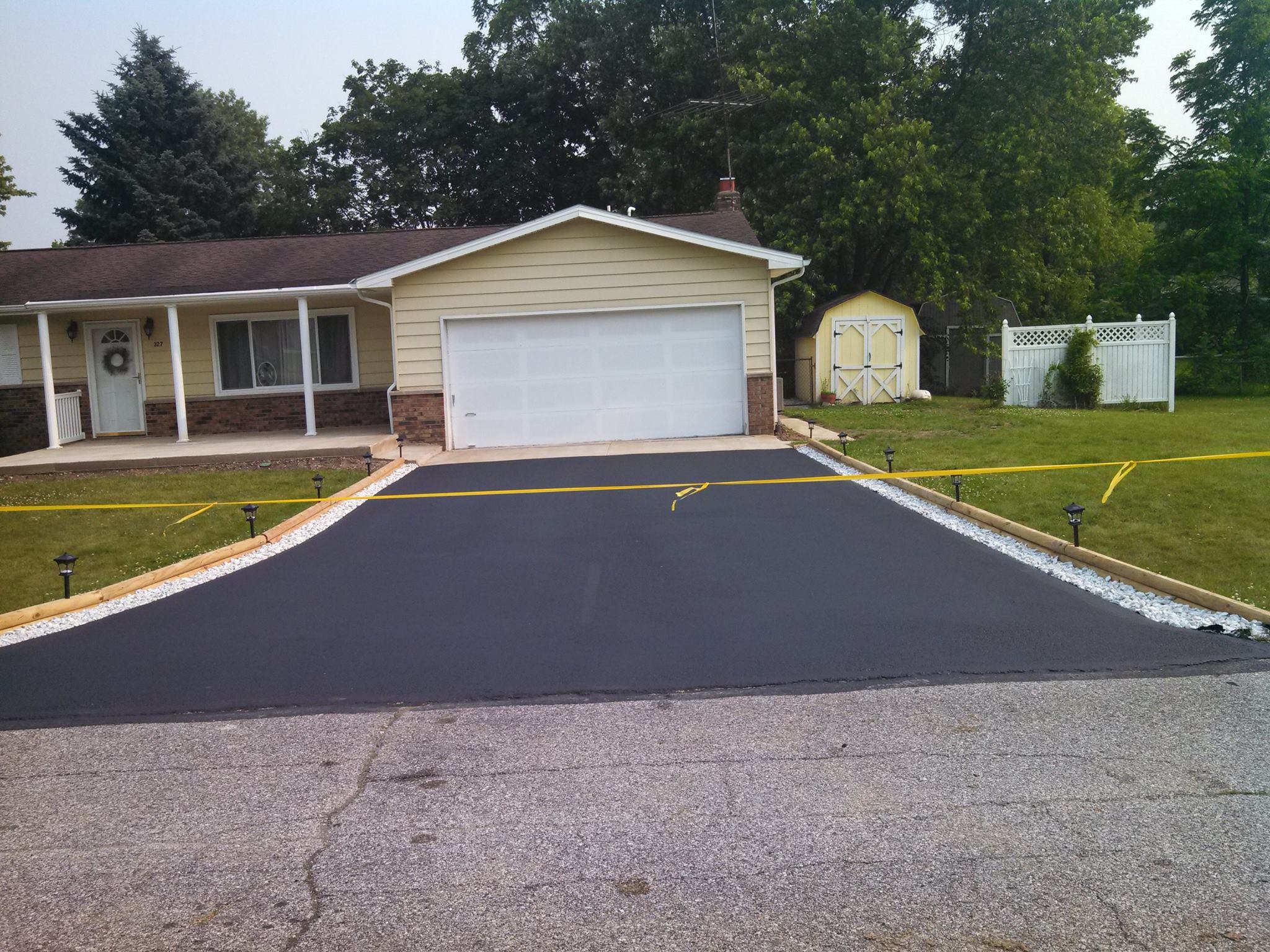
Aesthetically, both materials offer unique benefits. Asphalt provides a smooth, black finish that can enhance curb appeal with its sleek, uniform look. With regular maintenance like sealcoating, it maintains its appearance and functions effectively for years. Concrete offers a broader range of design possibilities, from basic gray slabs to decorative imprints and color variations. If you're interested in a more distinctive or decorative finish, concrete might be the preferable option.
Another consideration is maintenance. Asphalt surfaces require more frequent maintenance, such as sealcoating every few years, to preserve their structure and appearance. This maintenance helps extend the lifespan of the pavement, but it is an ongoing cost to consider. Concrete surfaces generally require less maintenance. Sealing a concrete driveway is usually recommended to protect against stains and improve durability, but it isn't as critical as with asphalt.
Environmental impact is an increasingly important consideration for many property owners. Asphalt can be 100% recycled, which is a significant environmental benefit. The recycling process reduces waste and the need for new raw materials. Meanwhile, concrete has a higher carbon footprint during production, but over its lifespan, it may result in lower emissions due to its durability and minimal maintenance needs.
Ultimately, the choice between asphalt and concrete will depend on your specific project needs, budget, and environmental considerations. At Smith's Paving and Sealcoating, we are committed to guiding our clients in choosing the best paving solutions to suit their needs. Whether you opt for the cost-efficiency of asphalt or the strength and design flexibility of concrete, our expert team is here to ensure your project is executed to perfection, delivering lasting, high-quality results.
/filters:no_upscale()/filters:format(webp)/media/91efc760-237a-4c90-86ec-d819b8e56777.jpeg)