Understanding the Asphalt Paving Process: A Step-by-Step Guide May 22, 2026
To begin with, the first essential step in asphalt paving is the design and planning phase. This is where the scope of the project is defined. Key considerations, such as the area's dimensions, intended use, and budget are taken into account. This stage is critical as it lays the groundwork for a successful outcome. If the area will experience heavy traffic, for instance, a more robust pavement solution may be necessary. Our team at Smith's Paving ensures every detail is meticulously planned to guarantee that the final product meets your expectations.
Once planning is complete, the next phase is preparation of the sub-base. This step involves clearing the area of any existing surface and debris, followed by grading to ensure a level foundation. A properly prepared base layer is vital for draining water and providing support to the pavement, which enhances its longevity. It is during this stage that potential issues, such as soft spots or drainage problems, are identified and corrected, preventing future complications.
After the base is prepared, laying the asphalt is next. When the asphalt mixture is ready, it is carefully spread across the surface area. The asphalt mix is heated to ensure proper malleability, allowing it to be evenly distributed. Smith's Paving employs experienced technicians who ensure this process is done swiftly and precisely, maintaining the right thickness and smoothness.
Compaction follows immediately after laying the asphalt. This involves compressing the asphalt with heavy rollers, which strengthens the bond of the materials and eliminates any air voids. Proper compaction is essential for the durability and smoothness of the finished pavement. It also helps prevent potholes and other surface damages over time. At Smith's Paving, we use advanced compaction techniques to enhance the lifespan of your pavement.
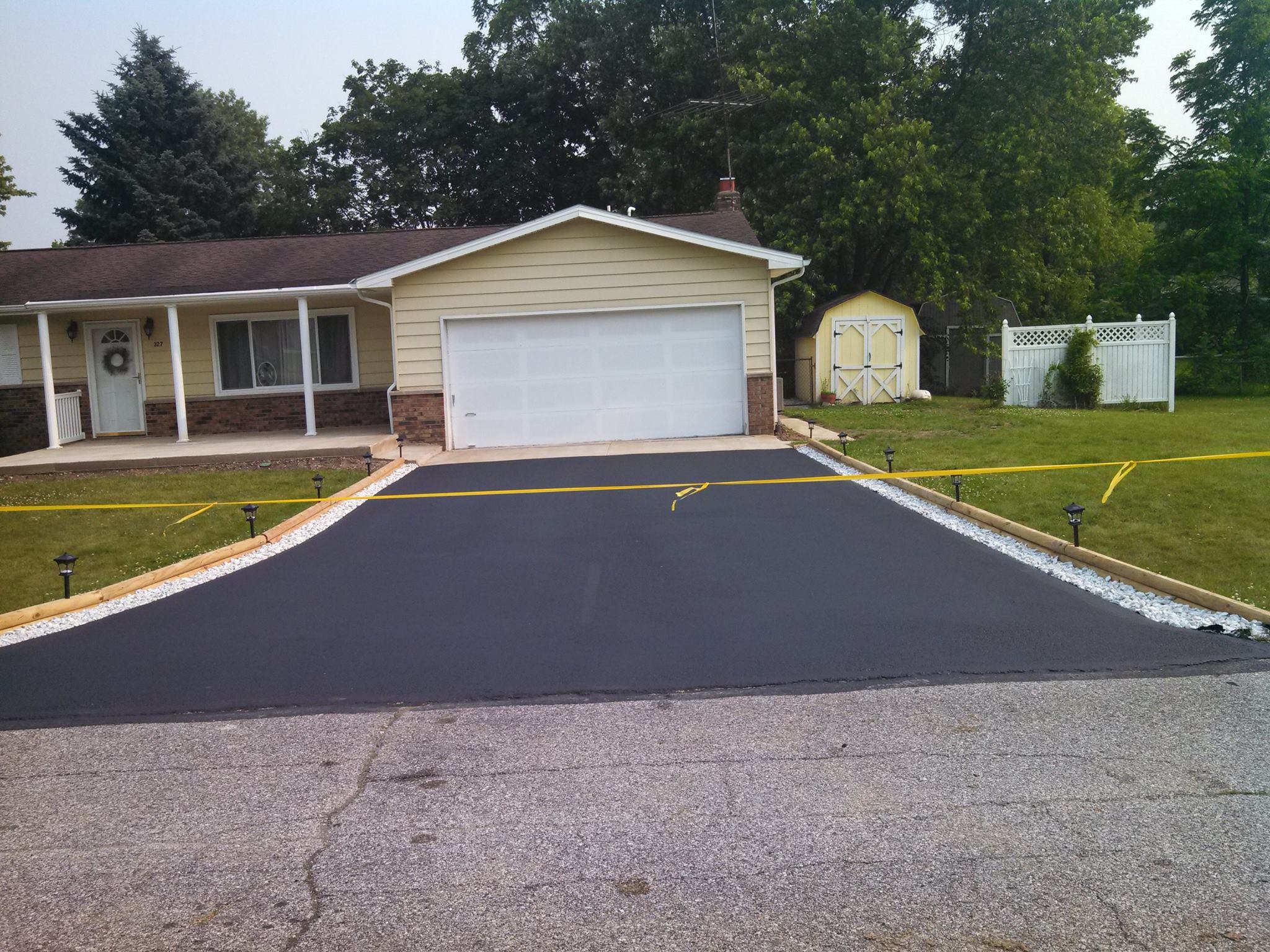
Once the asphalt is laid and compacted, the curing process begins. This requires a few days of patience, as the asphalt needs to set and harden. During this time, it is crucial to keep traffic off the new surface to allow it to cure without disturbance. As a client, it’s important to adhere to these instructions to maximize the functionality and longevity of your investment.
The final step in the asphalt paving process is applying a sealcoat. This protective layer guards against the elements, sun damage, and daily wear. Sealcoating significantly prolongs the life of your pavement, helping to maintain its appearance and functionality for years to come. Routine maintenance and timely sealcoating are recommended to protect your investment.
At Smith's Paving and Sealcoating, our commitment to quality and customer satisfaction ensures that each project is executed with precision and care. Understanding the stages involved in asphalt paving can help you appreciate the complexity and importance of high-quality work. Our expertise guarantees that the process is efficient and the final result is a dependable and attractive surface. Whether you're upgrading a driveway or paving a new commercial lot, Smith's Paving stands ready to meet your needs with professionalism and unparalleled attention to detail.
/filters:no_upscale()/filters:format(webp)/media/91efc760-237a-4c90-86ec-d819b8e56777.jpeg)