Winter-Proof Your Asphalt: Essential Maintenance Tips for Cold Climates Sep 28, 2026
Understanding the Impact of Cold Weather on Asphalt
Cold weather can wreak havoc on asphalt surfaces. Freezing and thawing cycles cause the asphalt to expand and contract, leading to cracks and potholes. Moisture seeping into these cracks can further aggravate the damage, especially when it freezes and expands. Additionally, road salt and de-icing chemicals can deteriorate the asphalt, causing further damage. Understanding these effects is the first step toward effective maintenance.
Inspect and Repair Existing Damage
Before the first snowflakes fall, it's crucial to conduct a thorough inspection of your asphalt surfaces. Look for any existing cracks, potholes, or drainage issues. Promptly addressing these issues before winter ensures that minor damages do not turn into significant repairs. Use high-quality crack fillers for smaller cracks and opt for professional patching services for larger potholes. Regular inspections and timely repairs are key to preventing winter damage.
Sealcoating for Added Protection
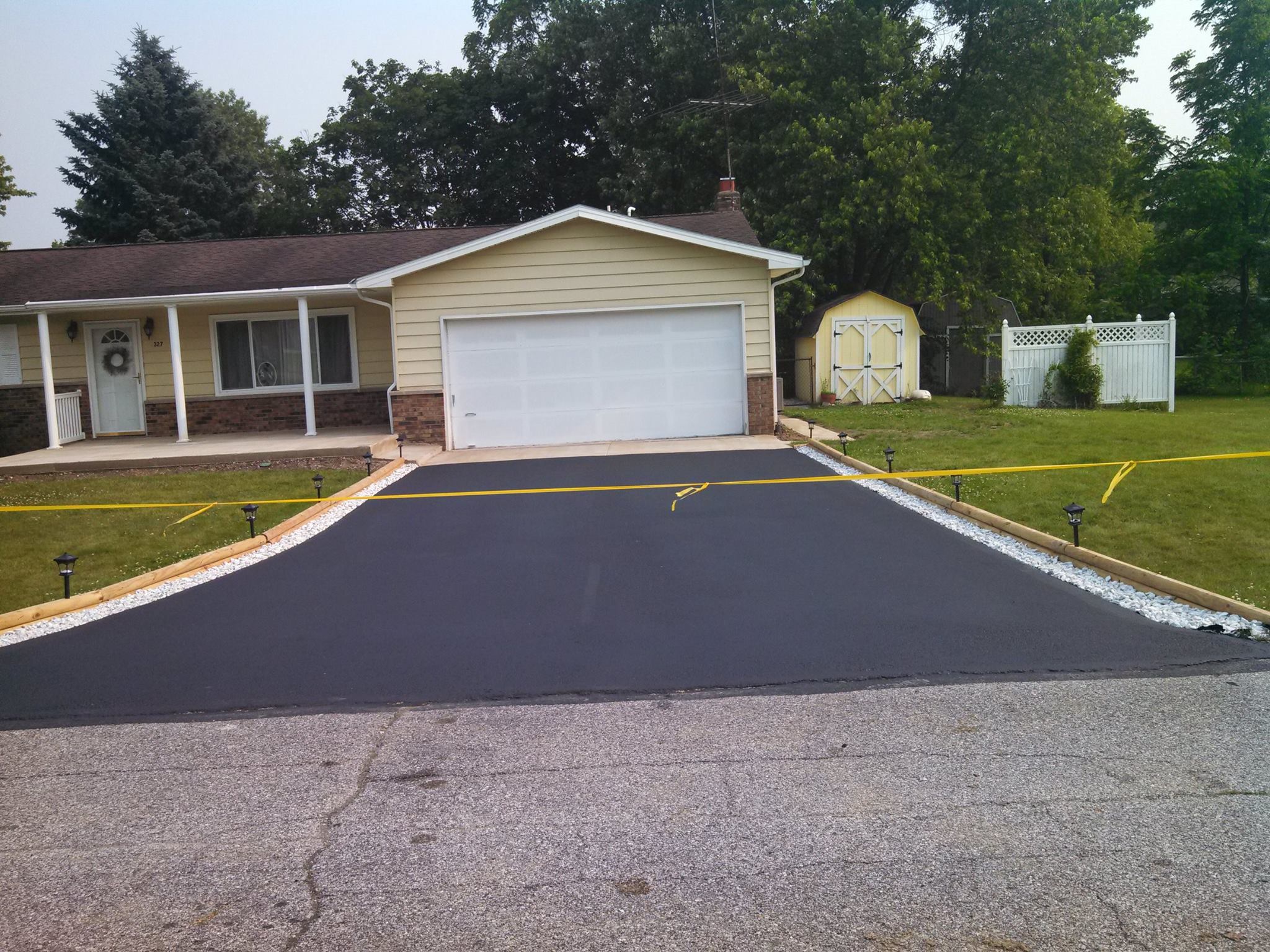
Sealcoating is an effective preventative measure that provides a protective layer against moisture, chemicals, and UV rays. This process not only enhances the appearance of your asphalt but also strengthens its surface. Ideally, sealcoating should be done every two to three years, and completing it before winter can significantly reduce the potential for damage. This protective barrier minimizes the effects of freezing and thawing cycles, effectively winter-proofing your asphalt.
Ensure Proper Drainage
Proper drainage is essential to prevent water accumulation on asphalt surfaces. Water that pools on the surface can seep into small cracks and cause them to expand when temperatures drop. Check that all drains and gutters are clear of debris and functioning correctly. If water does not flow away from your asphalt efficiently, it might be time to address any underlying drainage issues. Incorporating a slope or ensuring an effective drainage system can make a significant difference.
Use Appropriate De-Icing Methods
While de-icing is necessary for safety, it's important to choose your methods carefully. Opt for less corrosive alternatives to traditional rock salt, such as calcium magnesium acetate or potassium chloride, which are less harmful to asphalt surfaces. Additionally, using sand can provide traction without causing damage. Being mindful of the de-icers you use can prevent unnecessary wear and tear on your asphalt.
Plan Regular Maintenance with Professionals
While DIY solutions are helpful, working with professionals ensures your asphalt receives comprehensive care. At Smith's Paving and Sealcoating, our team is equipped with the expertise to provide reliable maintenance services tailored to your needs. Regular consultations and professional maintenance can ensure your asphalt remains in excellent condition throughout the winter season.
In conclusion, preparing your asphalt for winter requires attention to detail and timely action. By inspecting and repairing damages, applying sealcoating, ensuring proper drainage, and choosing safe de-icing methods, you can effectively mitigate winter’s impact. Partnering with professionals like Smith's Paving and Sealcoating adds an additional layer of assurance. Take these steps to winter-proof your asphalt, ensuring it remains functional and visually appealing all season long.
